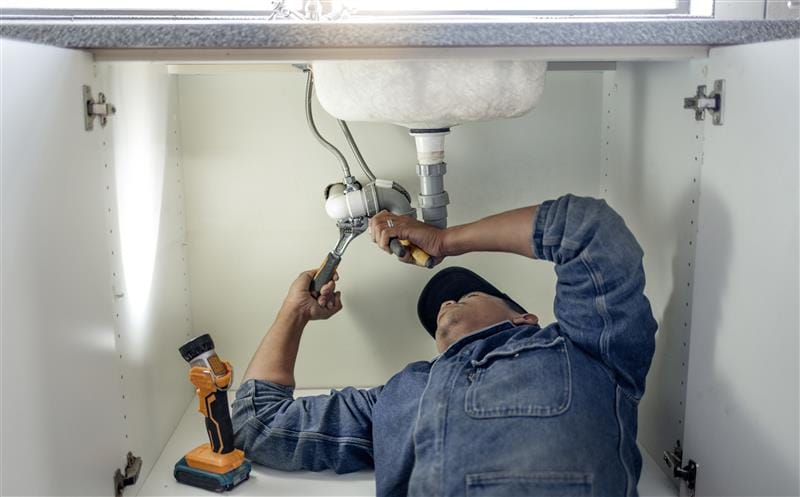
We act as a commercial plumber for many local and residential businesses
Water Heater Repair and Installation Services in Milpitas, California
Hot water is an essential part of modern living. From a warm shower in the morning to running the dishwasher after dinner, your water heater works silently in the background to provide comfort and sanitation. When this system fails, it is immediately noticeable and highly disruptive. At Milpitas Plumbing and Air Pros, we specialize in comprehensive water heater repair and installation services. We are dedicated to ensuring that the residents and businesses of Milpitas have reliable access to hot water year round.
Water Heater Repair and Installation in Milpitas, California
We are your local Milpitas Plumbing and Air Pros, and water heater work is one of the calls we get most often. A cold shower on a winter morning, a slow tank leak that soaks the garage floor, or a unit that finally fails after a decade of service all move from background to urgent in a hurry. Whether you need a fast repair, a full replacement, or a planned tankless conversion, the right team makes the difference between a quick fix and a string of follow up issues.
We are the trusted local water heater experts in Milpitas, and we have repaired and installed water heaters across every kind of home this city has. From older ranch houses near Sinnott Park with tank units tucked into garage corners, to newer townhomes off McCarthy Ranch, to custom builds in Country Club where tankless and heat pump systems are common, we handle the full range. The mineral content in local water shortens tank life around here, which is why we see plenty of units fail at the eight to ten year mark. Your local plumbers and HVAC pros you can count on are one phone call away.
Contact us today if your water heater is acting up or you are ready to plan an upgrade.
Common Water Heater Problems We Fix in Milpitas
No Hot Water or Insufficient Hot Water
A water heater that produces no hot water or runs out fast is one of the most disruptive plumbing problems a household can deal with. Showers turn cold mid rinse, dishwashers underperform, and laundry comes out less clean. Causes range from minor and quickly fixable to signals that the tank itself is reaching the end of its life.
Recognizing the Problem
- No hot water at any fixture in the home
- Water that warms briefly then runs cold within minutes
- Lukewarm water even with the temperature dial cranked up
- One side of the house running cold while another runs warm
- Pilot light or igniter that will not light on a gas unit
- Breaker tripped on an electric water heater
- Recovery time noticeably longer than it used to be
We test the heating elements on electric units, the burner and gas valve on gas units, and the thermostat and dip tube on both. A failed dip tube mixes cold incoming water directly into the hot outlet, which masks itself as a unit that cannot keep up. We confirm the actual cause before recommending the repair, since throwing parts at the problem rarely solves a heating issue cleanly.
Leaking Water Heater
A leaking water heater is one of those problems where timing matters. A small drip at a connection is a manageable repair. A pool of water around the base of the tank means the tank has failed and replacement is the immediate conversation. Either way, water on the floor of a garage eats into drywall, framing, and stored belongings fast.
Recognizing the Problem
- Water pooled on the floor around the base of the tank
- Drip visible at the top connections where pipes meet the tank
- Water seeping from the temperature pressure relief valve
- Damp insulation visible at the base of the tank
- Rust streaks running down the outside of the tank
- Water heater pan filling up or overflowing
- Mildew smell rising from the area around the heater
We identify the exact source of the leak before recommending any path forward. Connection leaks at the inlet, outlet, or relief valve are usually repairable. A leak from the body of the tank itself is not. The tank has corroded through, and continuing to use it risks a full rupture that can dump fifty gallons across your floor. We walk you through the situation clearly.
Tankless Water Heater Issues
Tankless systems have their own failure modes that look nothing like tank problems. Error codes flash on the display. Hot water comes in short bursts rather than a steady flow. The unit runs through cold water sandwich moments where temperature swings unexpectedly. Most tankless issues are repairable when the original install was done correctly.
Recognizing the Problem
- Error code flashing on the unit’s display
- Hot water arrives, then cuts off briefly, then returns
- Long delay between turning on the tap and hot water arriving
- Unit will not ignite at all
- Reduced flow at multiple fixtures running at once
- Mineral buildup visible at the inlet filter
- Unit cycling on and off in short bursts during use
We read the manufacturer fault code first rather than guessing. From there we inspect the gas supply pressure, venting integrity, internal filter, and heat exchanger condition. Hard water buildup is one of the most common issues we address through descaling, since the harder water around here accelerates mineral accumulation inside the unit. Annual descaling is what keeps tankless systems running at full efficiency.
Rusty or Discolored Hot Water
Hot water that runs rusty, yellow, or brown points to corrosion inside the tank or scaling that has broken loose from the walls. A few seconds of discolored water at first draw can be normal after the home has sat unused. Persistent rust at every draw is the tank telling you something more serious is going on.
Recognizing the Problem
- Hot water runs rusty or brown consistently
- Discoloration only on the hot side, not the cold
- Metallic taste in the hot water
- Sediment visible in the tub or sink after filling
- Hot water that stains laundry or appliances
- Rotten egg smell on the hot side only
- Worsening over the past few months
We start by checking the anode rod, which is the sacrificial metal designed to corrode in place of the tank. A spent anode rod often explains rust before the tank itself has failed, and replacing it can extend the life of a healthy tank for several years. If the tank lining has gone, no anode replacement reverses the damage and replacement becomes the conversation.
Strange Noises from Water Heater
Water heaters make some noise during normal operation, but a tank that rumbles, pops, hisses, or knocks when it heats is sending a clear signal. Most strange noises trace back to sediment buildup at the bottom of the tank, where mineral deposits trap pockets of water that boil and create the sounds.
Recognizing the Problem
- Loud rumbling or popping when the burner fires
- Crackling sound that builds up after the heater has been running
- High pitched whining or hissing from the unit
- Banging or knocking sounds from the tank body
- Tank noise that has steadily gotten worse over time
- Vibration noticeable through nearby walls or floors
- Sounds that follow each call for hot water
We flush the tank to remove sediment, which solves the noise issue in most cases when the unit is still in reasonable condition. For older tanks with heavy sediment, flushing sometimes uncovers a tank that has already lost so much capacity that replacement is the smarter move. We walk you through what we find.
Pilot Light Problems (Gas Water Heaters)
A pilot light that will not stay lit on a gas water heater is a common call, especially on older standing pilot units. The thermocouple may have failed, the gas valve may be acting up, or the pilot tube itself may have clogged with dust. Newer electronic ignition units have their own failure patterns but generally avoid most pilot problems.
Recognizing the Problem
- Pilot light will not light at all
- Pilot lights briefly and goes out
- Pilot stays lit but burner will not fire
- Pilot flame is yellow or orange instead of blue
- Pilot relights but goes out repeatedly during the day
- Faint gas smell near the bottom of the heater
- Sooty residue around the pilot opening
If you smell gas or suspect a gas leak, go outside immediately and call 911 – this is a serious emergency that needs urgent attention from the gas company. For normal pilot troubleshooting we test the thermocouple, check the pilot orifice, verify gas pressure, and confirm the gas valve is operating correctly. A failed thermocouple is one of the more common manageable repairs. A failed gas valve on an older unit sometimes points to a broader replacement conversation.
Water Heater Not Turning On
A water heater that is completely unresponsive can mean several different things. An electric unit may have tripped its breaker or upper safety switch. A gas unit may have a failed control board or gas supply issue. Diagnosing the actual cause is critical before any repair, because the wrong assumption leads to wasted parts and continued cold water.
Recognizing the Problem
- Display panel completely dark on a newer unit
- No audible click or fire on a call for hot water
- Breaker has tripped and will not stay reset
- Reset button on the upper thermostat has tripped
- Gas pilot will not light or stay lit
- Burner ignites then immediately shuts off
- Unit makes no sound at all under any conditions
We trace power systematically through the unit. Electric units get checked at the breaker, the upper thermostat, the heating elements, and the lower thermostat. Gas units get checked at the supply, the control valve, and the ignition system. Many no power calls turn out to be simple repairs once the fault is identified, while others reveal an older unit at the end of its useful life.
Sediment Buildup and Poor Performance
Sediment is the silent killer of tank water heaters. Mineral deposits from the local water settle at the bottom of the tank, build up year over year, and slowly reduce both efficiency and capacity. Eventually the sediment layer is thick enough that the burner or lower heating element is firing into hardened minerals rather than water, which wastes fuel and accelerates tank failure.
Recognizing the Problem
- Recovery time noticeably longer than when the unit was new
- Rumbling sounds during heating cycles
- Reduced hot water capacity over time
- Gas or electric bill creeping up with no other explanation
- Sediment visible when the drain valve is opened
- Cracking or popping sounds when the unit fires
- Tank older than five years that has never been flushed
We flush the tank to remove sediment whenever the unit is still healthy enough to benefit. For tanks that have gone too long without service, the flush sometimes reveals a unit at the end of its useful life. Annual flushing is one of the simplest ways to extend the life of a water heater.
Water Heater Repair vs Replacement in Milpitas
Repair makes sense when the unit is under about seven years old, the tank itself is intact, and the failure is something isolated like a heating element, thermocouple, dip tube, or anode rod. Those are fast, manageable fixes that easily justify themselves on a healthy unit. Plenty of water heaters just need attention, not a full replacement.
Replacement makes more sense when the tank itself has failed, when the unit is past ten years and showing multiple symptoms, or when the math on another big repair stops adding up. We walk through the numbers rather than pushing either path. Most tank water heaters around here reach the eight to twelve year mark before the math tips toward replacement.
Tankless Water Heater Installation and Repair
Tankless systems deliver hot water on demand without storing it in a tank, which means you do not run out and you do not pay to keep water hot when nobody is using it. A properly sized and installed tankless system handles a busy family home as well as a tank ever did, often with noticeably lower gas bills.
Where tankless installs get tricky is the upfront work. Gas line sizing often needs upgrading to support the new unit’s demand. Venting moves from standard B vent to stainless or PVC depending on the unit. Electrical needs verification. We handle all of that as part of the install. For existing tankless units, our repair work covers descaling, control board replacement, ignition service, and venting issues. Annual descaling is one of the most important things you can do for a tankless unit running on local water.
Water Heater Installation Services in Milpitas
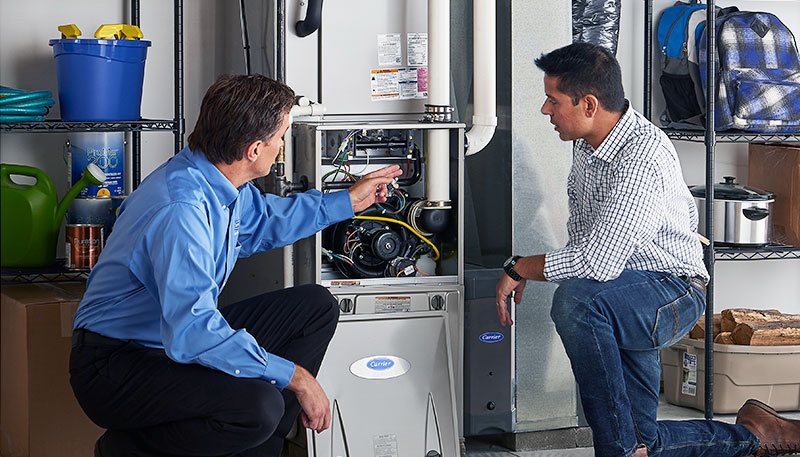
We install standard tank units in gas, electric, and heat pump configurations, plus tankless and combi setups. Every install includes proper seismic strapping, a code compliant expansion tank where required, fresh supply connections, and an updated temperature pressure relief valve. For gas units, we connect with a proper sediment trap and shutoff. For electric units, we verify the breaker and wiring are sized correctly.
We also handle conversions. Tank to tankless is the most common request, but we also see homeowners moving from electric to gas, from atmospheric to power vented, or from older standing pilot to electronic ignition. Each one has its own install details, and we walk through what your conversion will involve before work starts. Heat pump water heaters pair beautifully with solar setups already on the roof.
Why Milpitas Homeowners Choose Milpitas Plumbing and Air Pros for Water Heater Service
Real Local Knowledge
We have replaced and serviced enough water heaters in Milpitas to know what each era of home tends to need. Older garage installs in mid century homes have specific clearance and venting quirks. Newer mechanical closets in townhomes off McCarthy Ranch limit equipment options. That experience cuts diagnostic time.
Honest Repair vs Replacement Guidance
Half the customers we visit could save real money with a careful repair. The other half are better served by a planned replacement. We tell you straight which path applies, with the actual math behind it, rather than pushing replacement reflexively.
Tankless and Heat Pump Expertise
Tankless and heat pump units have their own install and service demands that older techs may not have trained on. Our crew handles these modern systems regularly, which shows up in cleaner installs and faster diagnostics.
Clean Workmanship in Tight Spaces
Water heater work usually happens in a garage corner, a closet, or a mechanical room with limited working space. We protect surrounding surfaces, contain the inevitable water from any drain down, and leave the space cleaner than we found it.
Real Response When Hot Water Quits
A cold shower waiting for a Monday morning appointment is rough. We hold same day capacity for water heater calls whenever the schedule allows, and after hours we still pick up the phone. For tank failures actively leaking water, we treat it as the emergency it is.
Our Water Heater Service Process in Milpitas
Step One: Real Conversation on the Phone
You talk to an actual person who knows water heaters. We ask about the unit’s age, what symptoms you are seeing, and any history of recent issues. We give you an honest arrival window.
Step Two: On Site Diagnosis
The tech arrives, inspects the unit, and identifies whether the issue is repairable or whether replacement is the smarter call. You see what we see and we explain it in plain language.
Step Three: Clear Options and Transparent Work
Once we know the situation, we lay out your options. For repairs we explain the fix and any related work worth doing. For replacements we walk through unit options including tank, tankless, and heat pump. You make the call without pressure.
Step Four: Quality Repair or Install
Repairs go in with fresh parts where needed. Installs include proper seismic strapping, a fresh expansion tank where required, code compliant venting, and clean connections at every point. We test under real load before wrapping up.
Step Five: Clean Wrap Up and Honest Recommendations
We walk you through what we did, share maintenance habits that extend unit life, and clean the work area before we leave. If there is followup worth scheduling, we mention it without pressure.
Water Heater Service Area in and Around Milpitas, California
Milpitas is our home base, and we cover water heater repair and installation across the surrounding South Bay. The service area includes Milpitas, San Jose, Fremont, Santa Clara, Sunnyvale, Newark, and parts of Berryessa and Alviso. Neighborhoods we work in regularly include Sinnott, Sunnyhills, Country Club, Calaveras Hills, Cardoza Park, Apton Plaza, McCarthy Ranch, and the residential pockets around Great Mall and Milpitas Square.
If you are not sure whether we cover your block, just call. We keep the footprint tight so trucks stay close and response times stay short, which matters when hot water has quit.
Professional Water Heater Repair vs DIY Attempts
Some water heater tasks are reasonable for a homeowner. Pressing the reset button on an electric unit when it has tripped, relighting a standing pilot following the instructions, draining a few gallons through the bottom valve for routine flushing, and adjusting the thermostat are all fair game. Done carefully, those habits keep many tanks running well for years.
Where water heater work crosses a line is the install itself. Gas connections require leak testing and proper sediment trap installation. Electric connections involve high amperage circuits that demand correct breaker sizing and grounding. Venting has to meet code clearances and slope. Temperature pressure relief valves have to be installed and routed correctly to prevent serious safety issues if the tank ever overpressurizes. Heat exchanger work on tankless units requires specialized tools and training.
The other risk is the small mistake that becomes a major event. An incorrectly seated gas connection slowly leaks until somebody finally smells it. An undersized vent backdrafts combustion byproducts into the home. A poorly soldered supply connection drips for weeks before anyone notices. A relief valve installed without proper discharge piping turns a routine pressure release into a scalding water emergency. These are problems we have been called out to fix on jobs that started as ambitious DIY projects.
The honest test is whether you have the meters, gauges, plumbing skills, and gas training to handle the install safely. Reach out to us for assistance any time you are weighing the project.
Plumbing Pro Services
Complete Plumbing Care for Your Entire Home
Whether it’s the kitchen, bathroom, or sewer line, we have the tools and training to handle any challenge your plumbing system throws at us.
We Deliver Expert Results
Don’t gamble with your plumbing. We combine years of experience with modern technology to deliver lasting repairs and installations. Our team respects your time and your property.
- Fixture Installation
- Leak Detection
- Modern Diagnostics
- Drain Cleaning
Frequently Asked Questions About Water Heater Repair and Installation in Milpitas
How long does a water heater last in Milpitas?
Most tank water heaters around here give you ten to twelve years before they start showing real wear. Local water has enough mineral content that sediment builds faster than the manufacturer assumes, which shortens lifespan if the tank never gets flushed. Tankless units typically last fifteen to twenty years with regular descaling.
What size water heater do I need?
Tank sizing depends on household size, peak demand windows, and recovery rate. For most homes around here we install fifty gallon units for medium households and seventy five gallon or tankless for larger families. We can talk through your specific usage before recommending a size.
Is a tankless water heater worth it?
For the right household, absolutely. Tankless delivers hot water on demand without standing tank losses. The catch is the install is more involved because of gas and venting requirements. For homes that run back to back showers or have high simultaneous demand, the upgrade is often worth it.
What is a heat pump water heater?
A heat pump water heater uses electricity to move heat into the tank rather than generating heat directly, which makes it three to four times more efficient than a standard electric resistance unit. They work well in garages and pair with solar electric setups.
Should I repair or replace my water heater?
Age and the type of failure matter most. A unit under seven years with an isolated issue is usually worth repairing. A unit over ten years with multiple symptoms, a leaking tank, or rust at the connections is usually a replacement conversation.
How often should I flush my water heater?
Once a year for tank units. Flushing pulls out the sediment that has settled at the bottom, which is the same sediment that causes popping noises, slow recovery, and tank failure. Tankless units need descaling on a similar annual schedule.
What does a temperature pressure relief valve do?
The relief valve protects the tank from over pressurization, which would otherwise cause a serious rupture. The valve opens automatically when pressure or temperature climbs past safe limits. If you see water dripping from the discharge tube, the valve is doing its job, but it is a signal that something upstream needs attention.
How long does a water heater installation take?
A standard tank to tank replacement in a typical home runs about three to four hours. A tank to tankless conversion can run six to eight hours due to gas, venting, and electrical work. Heat pump installs fall somewhere in the middle.
Can I install a larger tank than what I have now?
Sometimes yes, sometimes no. Larger tanks need physical space, adequate gas or electric service, and proper venting capacity. We check all three before recommending an upsize. In some cases, moving to a tankless unit makes more sense than going bigger on a tank.
How do I find water heater repair near me in Milpitas?
You are reading the right page. We repair and install water heaters across Milpitas every week. One call gets you a real person, an honest arrival window, and a tech who does this daily.
What should I do if my water heater is leaking?
Shut off the cold water supply to the unit at the top, then turn off the power. For gas units, turn the gas control to the off position. Move anything off the floor near the heater, and call us. The faster you stop the supply, the less damage the leak can do.
Can you handle commercial water heater work?
Yes, we install and service water heaters for small commercial properties around Milpitas including restaurants, offices, and small multi family buildings. The standards we hold for residential work carry over directly.
Water Heater Service Done Right by a Real Local Team
A working water heater is one of those parts of home life you stop appreciating until it fails. Whether you need a fast repair on a unit that quit this morning, a planned replacement on equipment that has reached the end of its life, or a tankless or heat pump conversion, you want a team that picks up the phone, shows up with the right gear, and handles the work the right way.
We bring real expertise, real respect for your home, and a level of follow through that homeowners across this part of the South Bay have come to count on. One call gets you a real person, an honest read on the situation, and a tech ready to repair or replace your water heater the same visit when we have the right equipment on the truck.
Contact us today to put your local Milpitas Plumbing and Air Pros on whatever your water heater needs.
Zip codes we serve: 95035, 95036, 95002, 94560, 94538, 94539, 95131, 95132, 95133, 95134, 95138, 95148, 95054, 95050, 95051, 95008, 94089, 94087, 94086, 94085